 Photo Gallery of Sexy Body Painting Wallpapers
Sabtu, 21 November 2009



Controversy
 The year 2001 and subsequent years were controversial for the naked cyclists, including several references to cyclists as "parade crashers". In 2001, police and parade organizers posted signs noting the laws against indecent exposure to warn cyclists of possible prosecution. Organizers claimed that the cyclists were getting in the way of the event's true hallmark: artistic freedom.[1] An editorial that same day (May 17, 2001) in The Seattle Times echoed this sentiment: "They have stolen the spotlight on a parade that is supposed to be about art, not about being unclothed. The Fremonters resent that. They do not want the nudists doing this. But they do not want them wrestled to the pavement by police, spoiling the atmosphere of their parade."[2]
Sentiments like the above frustrated the cyclists, who were at that time getting bodypainted. They also did not like being labeled nudists, as most of them were not.
Female Body Art
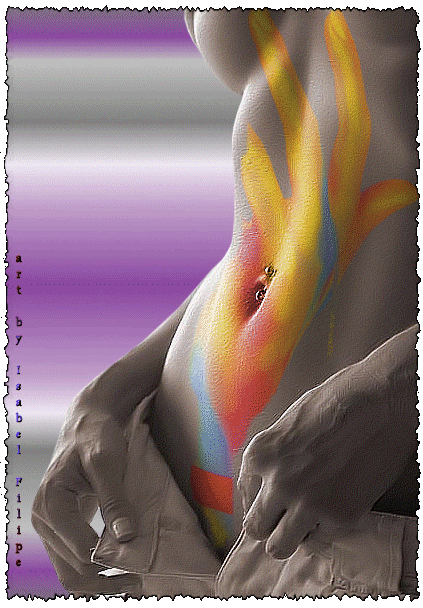
Body painting is a form of body art, considered by some as the most ancient form of art. Unlike tattoo and other forms of body art, body painting is temporary, painted onto the human skin, and lasts for only several hours, or at most (in the case of Mehndi or "henna tattoo") a couple of weeks. Painting of the face is known as face painting. It is often written as one word bodypainting.
 Body Painting by Te Papa
Langganan:
Postingan (Atom)